There's something almost poetic about the fact that this memo leaked. A message meant only for Xbox employees ends up being the most honest public statement Microsoft has made about Game Pass in years.
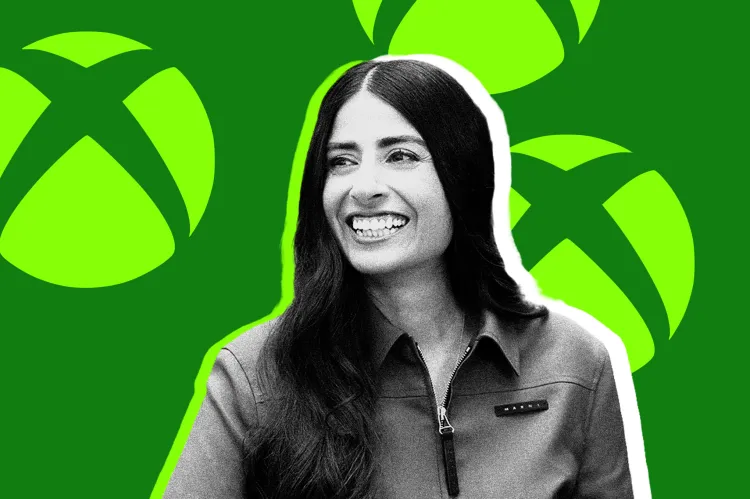
<br>The new Xbox chief, Asha Sharma, told employees that the subscription service is "too expensive for players" and needs to be redone — and this comes just months after Microsoft pushed through a 50% price hike, raising Game Pass Ultimate to $29.99 per month. That jump was already hard to swallow. Now the person running the whole operation is internally admitting it went too far.
<br>What's interesting here is the timing and the tone. Sharma took the Xbox reins just a few months ago as part of a broader leadership shakeup, and her willingness to acknowledge the pricing problem internally — and now publicly, through the leak — contrasts sharply with Microsoft's previous messaging, which kept insisting on the service's value despite the increases. That old messaging fooled nobody, and everyone knew it. Seeing a company executive actually say "this isn't working" out loud, even if it was meant to stay behind closed doors, feels different.
<br>The memo also lands right as rumors were circulating that the 2026 Call of Duty could skip Game Pass entirely, which would be a serious blow to subscribers. That context matters a lot. CoD day one on Game Pass was supposed to be the crown jewel of the whole Activision acquisition story. Having it available as a day-one title has reportedly cost Microsoft hundreds of millions in lost game sales. So now they're stuck between two bad options: keep eating the loss, or pull the game and admit the model is broken.
<br>After Microsoft raised Game Pass prices twice within 15 months, many subscribers felt the service had gotten too costly to keep. The math just stopped making sense for a lot of people. $30 a month is $360 a year. For a rotating library where you don't own anything, where games come and go, that number starts competing with buying the games you actually want outright.
<br>Industry analysts have noted subscriber growth plateauing even as Microsoft added major franchises like Call of Duty to the service. That's the real alarm bell. They spent tens of billions on acquisitions partly to supercharge Game Pass, and the needle stopped moving. That's not a pricing tweak problem, that's a structural rethink.
<br>An immediate price cut probably isn't on the horizon, but one before Microsoft begins releasing its heavy-hitter titles for 2026 — Halo, Gears of War, and Fable — seems plausible. If they're smart, they'll time a repricing to coincide with that wave of releases. It would soften the blow of past decisions and give people a reason to come back or stay.
<br>The real question nobody can answer yet is what "more flexible" actually means in practice. More tiers? A cheaper option without day-one releases? Some kind of à la carte setup? The promise to "test and learn" suggests Microsoft plans measured experimentation rather than wholesale changes overnight. That's sensible, but it also means subscribers are going to be living in uncertainty for a while longer.
<br>What this memo really shows is that the era of "Game Pass is the future of gaming, full stop" confidence is over. Now it's a product that needs to earn its place again. That's actually healthier — but getting there is going to be messy.





There's something almost poetic about the fact that this memo leaked. A message meant only for Xbox employees ends up being the most honest public statement Microsoft has made about Game Pass in years. <br>The new Xbox chief, Asha Sharma, told employees that the subscription service is "too expensive for players" and needs to be redone — and this comes just months after Microsoft pushed through a 50% price hike, raising Game Pass Ultimate to $29.99 per month. That jump was already hard to swallow. Now the person running the whole operation is internally admitting it went too far. <br>What's interesting here is the timing and the tone. Sharma took the Xbox reins just a few months ago as part of a broader leadership shakeup, and her willingness to acknowledge the pricing problem internally — and now publicly, through the leak — contrasts sharply with Microsoft's previous messaging, which kept insisting on the service's value despite the increases. That old messaging fooled nobody, and everyone knew it. Seeing a company executive actually say "this isn't working" out loud, even if it was meant to stay behind closed doors, feels different. <br>The memo also lands right as rumors were circulating that the 2026 Call of Duty could skip Game Pass entirely, which would be a serious blow to subscribers. That context matters a lot. CoD day one on Game Pass was supposed to be the crown jewel of the whole Activision acquisition story. Having it available as a day-one title has reportedly cost Microsoft hundreds of millions in lost game sales. So now they're stuck between two bad options: keep eating the loss, or pull the game and admit the model is broken. <br>After Microsoft raised Game Pass prices twice within 15 months, many subscribers felt the service had gotten too costly to keep. The math just stopped making sense for a lot of people. $30 a month is $360 a year. For a rotating library where you don't own anything, where games come and go, that number starts competing with buying the games you actually want outright. <br>Industry analysts have noted subscriber growth plateauing even as Microsoft added major franchises like Call of Duty to the service. That's the real alarm bell. They spent tens of billions on acquisitions partly to supercharge Game Pass, and the needle stopped moving. That's not a pricing tweak problem, that's a structural rethink. <br>An immediate price cut probably isn't on the horizon, but one before Microsoft begins releasing its heavy-hitter titles for 2026 — Halo, Gears of War, and Fable — seems plausible. If they're smart, they'll time a repricing to coincide with that wave of releases. It would soften the blow of past decisions and give people a reason to come back or stay. <br>The real question nobody can answer yet is what "more flexible" actually means in practice. More tiers? A cheaper option without day-one releases? Some kind of à la carte setup? The promise to "test and learn" suggests Microsoft plans measured experimentation rather than wholesale changes overnight. That's sensible, but it also means subscribers are going to be living in uncertainty for a while longer. <br>What this memo really shows is that the era of "Game Pass is the future of gaming, full stop" confidence is over. Now it's a product that needs to earn its place again. That's actually healthier — but getting there is going to be messy.